
Understanding the Thrill of Gambling
The allure of gambling manifests in the thrill it provides to participants. At its core, this excitement is often linked to the anticipation of winning, whether it’s a large jackpot or a small win. This emotional rollercoaster stimulates the brain’s reward centers, releasing neurotransmitters such as dopamine, which play a crucial role in reinforcing behaviors that lead to pleasurable outcomes. For those who enjoy the excitement of chance, finding reliable options for online pokies new zealand can enhance the experience significantly, as the anticipation builds and players imagine the potential outcomes, creating a magnetic pull toward the gaming tables or machines.
Moreover, the unpredictable nature of gambling intensifies this excitement. Unlike games of skill where outcomes may be more predictable, games of chance create an environment where anything can happen. This unpredictability, combined with the potential for big payouts, can create a sense of hope and optimism. Players often convince themselves that they are due for a win, which is known as the gambler’s fallacy. This flawed belief can lead to increased betting behavior as players chase losses, hoping that the next game might finally be their winning moment. It’s this combination of hope and unpredictability that keeps many gamblers returning to the casino floor.
Psychologically, the environment in casinos is meticulously crafted to enhance this thrill. Bright lights, engaging sounds, and an array of sensory stimuli are designed to keep players engaged. This atmosphere encapsulates a sense of escape from reality, allowing individuals to immerse themselves in the experience, often leading to prolonged play. The combination of psychological arousal from the environment and the potential for profit fosters a unique behavioral pattern that is difficult to break, thereby drawing individuals back to gamble time and again. Players may find themselves lost in the ambiance, where time becomes irrelevant, and the focus is solely on the next bet.
The Role of Cognitive Biases
Cognitive biases significantly influence betting behavior within casinos. One of the most common biases is the illusion of control, where players believe they can influence the outcome of random games. For instance, someone may believe that their strategy or choice of numbers gives them an edge in a game like roulette, despite the odds being strictly against them. This perception can lead to increased betting as players feel empowered, often resulting in a disregard for the actual probabilities involved. Such beliefs create a false sense of security that can be hard to shake off, reinforcing a cycle of repeated gambling.
Another prevalent cognitive bias is the availability heuristic, which impacts the way players assess the likelihood of winning. This mental shortcut can cause gamblers to overestimate their chances of success based on vivid memories of past wins or stories shared by others. Consequently, they may bet larger amounts or gamble more frequently, firmly believing that they are bound to win again soon. This misjudgment of probability illustrates how cognitive distortions can perpetuate a cycle of betting behavior. The more these biases influence their decisions, the more entrenched they become in their gambling habits.
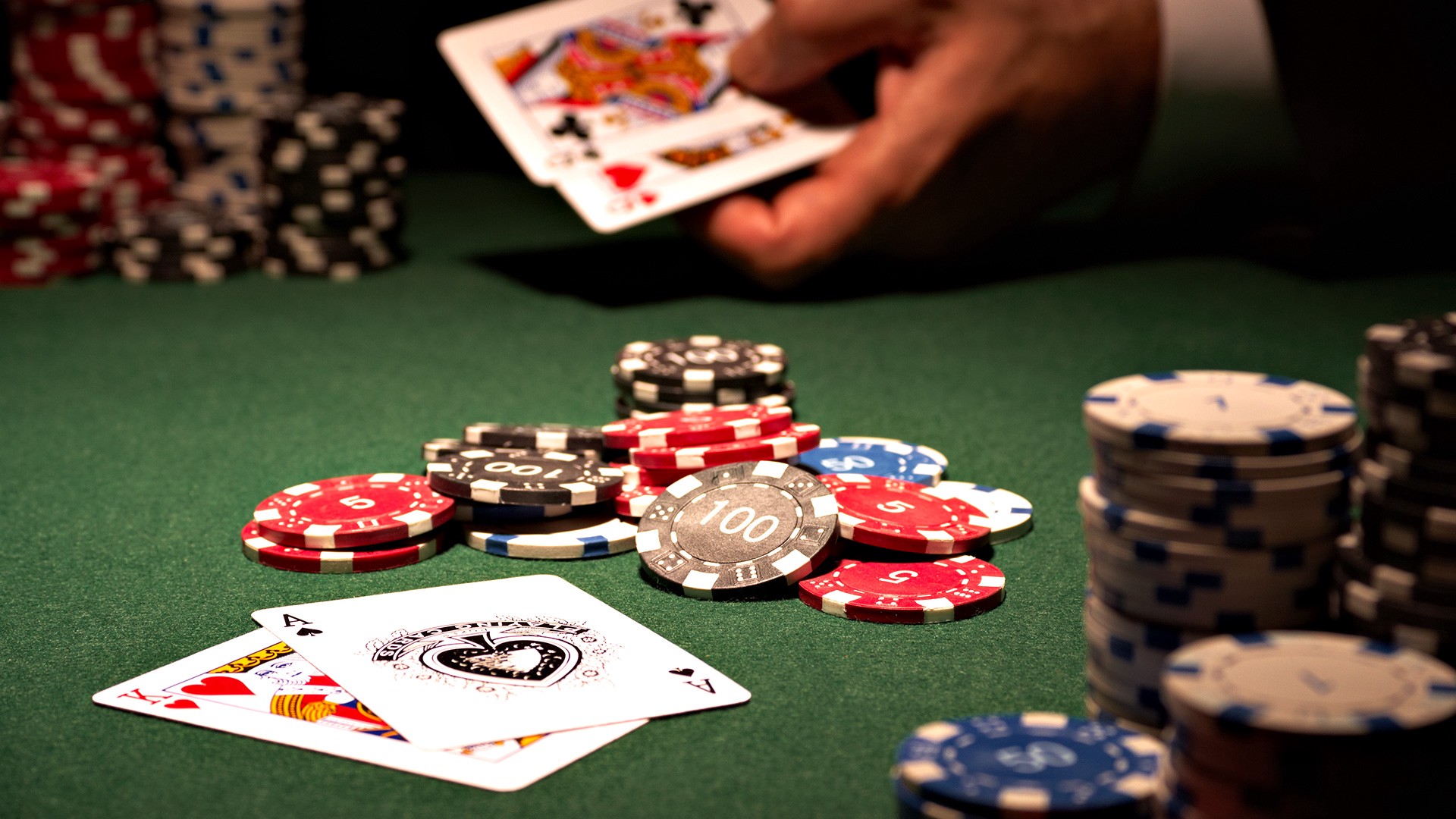
The sunk cost fallacy also plays a crucial role in gambling psychology. When players have already invested significant time or money into a game, they often feel compelled to continue gambling to justify their previous expenditures. This mindset can lead to escalating bets and further losses, as individuals ignore the logic of cutting their losses. Such cognitive biases not only impair decision-making but also contribute to prolonged gambling behaviors, making it challenging for individuals to leave the casino environment intact. Recognizing these cognitive traps is essential for developing a more rational approach to gambling.
Social Influences on Gambling Behavior
The social context of gambling also plays a significant role in shaping betting behavior in casinos. Many individuals are drawn to the social aspects of gambling, finding joy in the camaraderie shared among players at a table. This social interaction can heighten the excitement of the game and create a sense of belonging. Peer pressure can manifest in various forms, encouraging individuals to gamble more than they typically would, influenced by the actions and behavior of those around them. The social environment can easily escalate individual betting habits, as players feel motivated to participate more actively when surrounded by others.
Additionally, casinos often employ strategies to foster a communal atmosphere, such as hosting tournaments or offering rewards for group play. These strategies are intended to attract larger crowds and enhance the overall experience, encouraging players to engage in more betting as they enjoy the social dynamics. The tendency to socialize in a gambling setting often overrides personal limits, as individuals seek validation and reinforcement from their peers. This environment can lead to a group mentality where the thrill of betting is amplified by collective enthusiasm.
Moreover, the impact of social norms cannot be underestimated. The perception of gambling as a socially accepted activity can reinforce betting behaviors. If individuals observe friends or family engaging in gambling without apparent negative consequences, they may be more likely to perceive it as a normal, even appealing, social activity. This normalization can contribute to a longer engagement with gambling, as players become further entrenched in their betting practices due to the social influences surrounding them. The interplay between social dynamics and individual behavior creates a complex web that can be difficult to navigate.
The Impact of Emotions on Betting Choices
Emotions play a pivotal role in driving betting behaviors in casinos. Many gamblers experience a rush of adrenaline when placing bets, which can lead to impulsive decision-making. High-stakes environments can amplify feelings of excitement, fear, or even frustration, which in turn can affect how players approach their gambling strategies. For instance, someone on a losing streak may chase their losses, driven by a mix of desperation and hope, leading to irrational betting patterns. The emotional landscape of gambling is a constant push and pull between the highs of winning and the lows of losing.
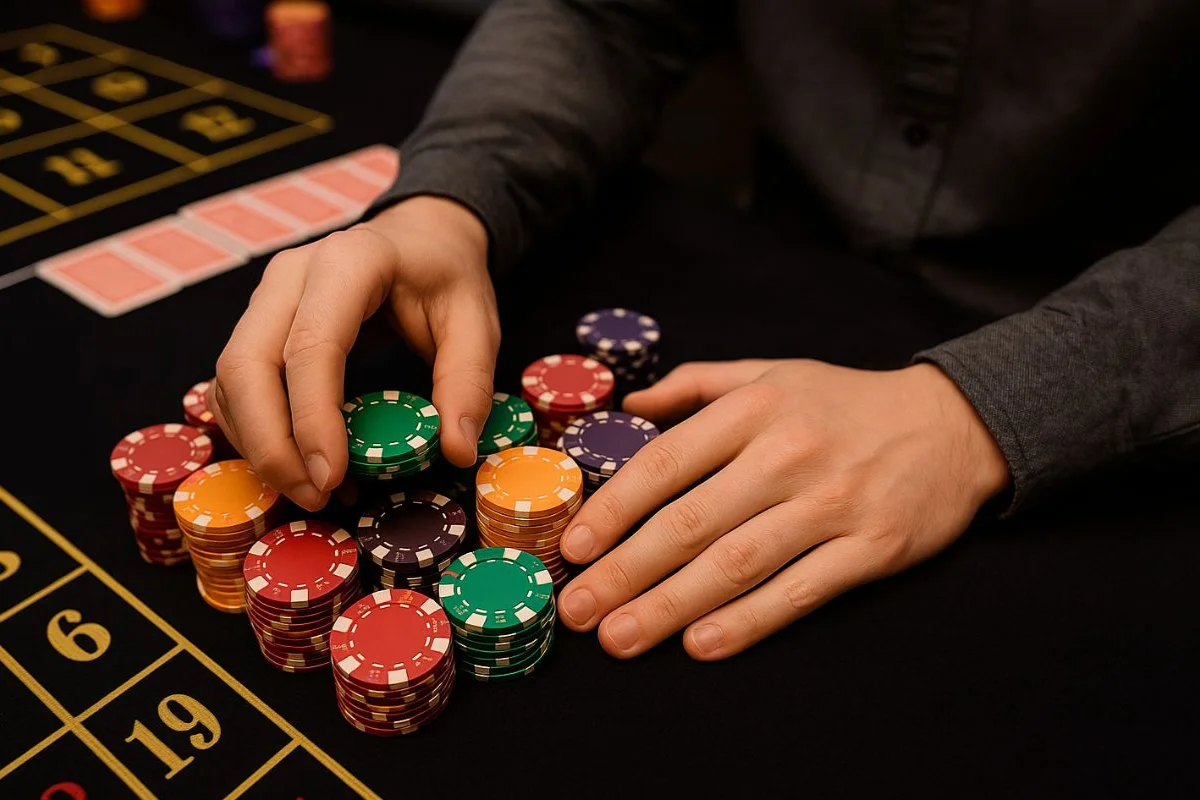
Furthermore, the emotional highs and lows associated with gambling can create a rollercoaster effect that entraps players. Winning can lead to feelings of euphoria, prompting individuals to continue gambling in order to sustain that high. Conversely, losses often evoke negative emotions, pushing players to gamble more in an attempt to regain their lost money. This cycle of emotional highs and lows can create an addictive environment, where the desire to seek pleasure and avoid pain drives an unrelenting engagement with gambling. Understanding this emotional cycle is crucial for both players and those seeking to help them maintain control over their gambling habits.
Recognizing these emotional triggers is essential for those both inside and outside the gambling community. Understanding how emotions influence choices can enable players to develop healthier betting strategies. By acknowledging the emotional components of gambling, individuals can learn to mitigate impulsive behaviors and make more rational decisions, ultimately leading to a more controlled gambling experience. Emotional awareness can serve as a guiding principle, helping gamblers navigate their experiences more effectively and responsibly.
Exploring Responsible Gambling Resources
In light of the complexities surrounding gambling behavior, it is crucial to emphasize responsible gambling practices and the resources available for individuals. Many casinos and organizations promote responsible gambling initiatives to educate players about the risks associated with gambling and to provide support for those who may be struggling with problematic betting behaviors. This includes offering self-assessment tools, counseling services, and hotlines to assist individuals in managing their gambling habits. These resources aim to empower individuals to take control of their gambling, fostering a safer environment.
Moreover, fostering a culture of awareness about the psychological factors influencing gambling can help empower individuals to make informed choices. Casinos often implement measures to encourage responsible gambling, such as setting monetary limits and offering time-out periods. By promoting a safer gambling environment, both players and establishments can work together to mitigate the potential negative impacts associated with excessive betting. Through education and proactive measures, the gambling community can create a supportive framework for healthy gambling practices.
Ultimately, education and awareness are the keys to navigating the psychological intricacies of gambling. Understanding personal triggers, cognitive biases, and emotional influences can enable individuals to take proactive steps in maintaining a healthy relationship with gambling. Resources and support systems play an essential role in ensuring that players can enjoy the thrill of betting while minimizing the potential for harmful behavior. Emphasizing responsible gambling can lead to a more sustainable and enjoyable experience for all involved in the gaming community.
